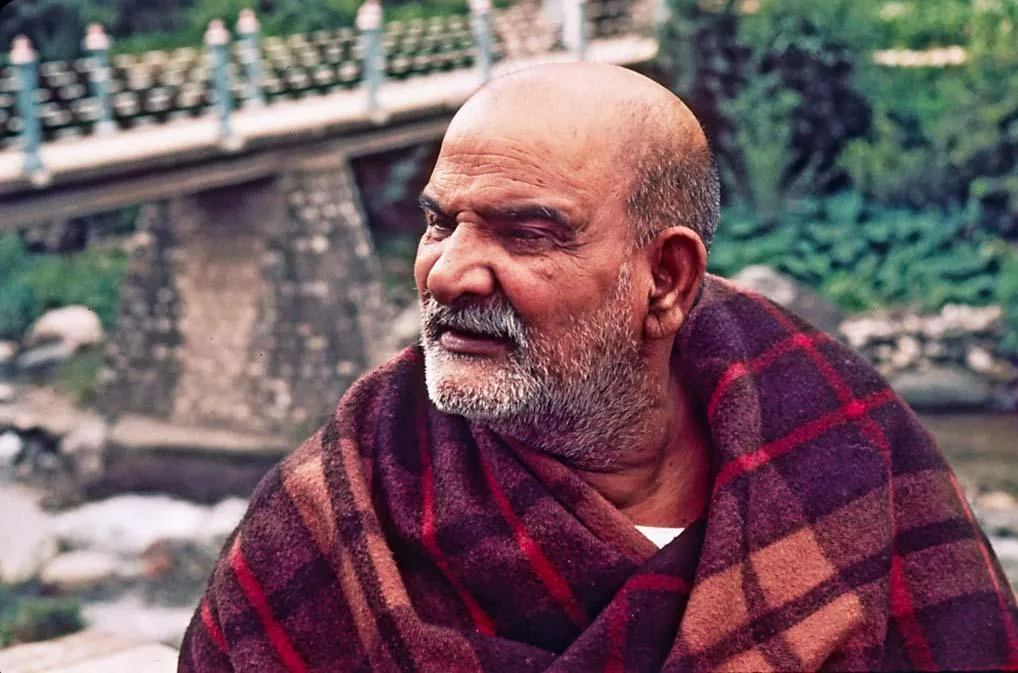
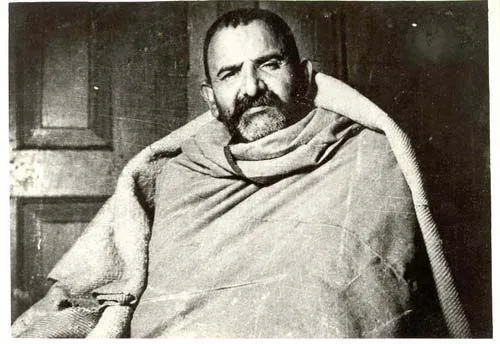
Neem Karoli Baba, also known as Maharaj-ji, was a revered Indian spiritual teacher and devotee of Lord Hanuman. Here's a look at his life, teachings, Kainchi Dham and lasting legacy.
Neem Karoli Baba, popularly known as Maharaj-ji, was one of India's best-known spiritual figures of the 20th century. He was a devoted follower of Lord Hanuman and became known for his simple way of living and his teachings about love, service, devotion and kindness.
Unlike many spiritual teachers, Neem Karoli Baba did not write a large number of books or create a complicated philosophy. His teachings were mostly simple and practical. He encouraged people to help others, remember God and live without unnecessary pride or attachment.
He became particularly associated with Kainchi Dham, a small ashram in Uttarakhand that he established in 1962. The place later became a popular spiritual destination for devotees from India and other parts of the world.
His influence also reached the West through his followers, especially Ram Dass, who met him in India in 1967. Ram Dass later became a well-known spiritual teacher and author, helping introduce many Western readers to Indian spirituality.
Even decades after Neem Karoli Baba's death, his name continues to attract interest. Kainchi Dham remains an important pilgrimage centre, while his teachings continue to be discussed by people interested in spirituality and meditation.
Neem Karoli Baba Quick Facts
Information
Details
Name
Neem Karoli Baba
Also Known As
Maharaj-ji, Neeb Karori Baba
Birth Name
Lakshmi Narayan Sharma
Birthplace
Akbarpur, Uttar Pradesh, India
Religion/Tradition
Hindu spirituality and Bhakti tradition
Main Deity of Devotion
Lord Hanuman
Known For
Spiritual teachings and Kainchi Dham
Kainchi Dham Established
1962
Famous Disciple
Ram Dass
Date of Death
September 11, 1973
Place of Death
Vrindavan, Uttar Pradesh
Popular Message
Love, service, devotion and humility
Some details about Neem Karoli Baba's early life, including his exact birth year, vary between different accounts.
Who Was Neem Karoli Baba?
Neem Karoli Baba was an Indian spiritual teacher who spent much of his life travelling, teaching devotees and serving people.
His followers called him Maharaj-ji, a name that reflected the affection and respect they had for him.
He was particularly devoted to Lord Hanuman. Hanuman's qualities of devotion, humility, strength and selfless service were closely connected with the values Neem Karoli Baba taught his followers.
His approach to spirituality was remarkably straightforward. Rather than encouraging people to become overly concerned with complicated religious ideas, he emphasised everyday actions.
For him, helping someone, feeding a hungry person, showing kindness or serving others could all be meaningful forms of spiritual practice.
This simple message is one of the main reasons his teachings have remained popular.
Neem Karoli Baba, also known as Maharaj-ji, was a revered Indian spiritual teacher and devotee of Lord Hanuman.
Early Life
Neem Karoli Baba's early life is not completely documented, and different accounts give slightly different details.
His birth name is generally reported as Lakshmi Narayan Sharma, and he was born in Akbarpur, Uttar Pradesh.
His exact birth year is uncertain, with traditional accounts placing it around the beginning of the 20th century.
According to stories about his life, he left home at a young age and began travelling as a sadhu. He spent years moving through different parts of northern India and visiting places connected with Hindu spirituality.
During this period, he developed a reputation among people who met him as a spiritual figure with a strong devotion to God.
Much of his life was deliberately simple. He was not interested in building a wealthy or glamorous public image.
That simplicity remained a major part of how his followers remembered him.
Neem Karoli Baba and Lord Hanuman
Lord Hanuman was at the centre of Neem Karoli Baba's spiritual life.
His devotion to Hanuman was not limited to prayers or rituals. The qualities traditionally associated with Hanuman — loyalty, humility, courage and selfless service — were also reflected in the teachings connected with Neem Karoli Baba.
Many of his followers believe that Neem Karoli Baba was an incarnation or manifestation of Hanuman. This is a matter of religious faith and devotion rather than something that can be historically proven.
For his followers, however, the connection is an important part of his spiritual identity.
His ashrams and places associated with him continue to have strong connections with Hanuman worship.
Kainchi Dham
The place most closely associated with Neem Karoli Baba is Kainchi Dham in Uttarakhand.
Located in the hills near Nainital, Kainchi Dham was established by Neem Karoli Baba in 1962.
The ashram is surrounded by mountains and greenery, giving it a peaceful setting that attracts visitors throughout the year.
During Neem Karoli Baba's lifetime, the ashram became a place where devotees could meet him, pray and participate in spiritual activities.
After his death, Kainchi Dham continued to grow in importance.
Today, people visit the ashram not only from different parts of India but also from other countries. For many devotees, visiting Kainchi Dham is a way of connecting with Neem Karoli Baba's teachings and remembering his life.
The ashram's annual celebrations also attract large numbers of devotees.
Neem Karoli Baba and Ram Dass
One of the most important chapters in Neem Karoli Baba's story is his relationship with Ram Dass.
Ram Dass was born Richard Alpert and had worked as a psychology professor at Harvard University.
During the 1960s, he became increasingly interested in spirituality and travelled to India.
In 1967, he met Neem Karoli Baba.
The meeting had a major impact on his life. Richard Alpert eventually became known as Ram Dass and went on to become a respected spiritual teacher and author.
His most famous book, Be Here Now, was published in 1971. The book introduced many Western readers to ideas related to meditation, yoga and Indian spirituality.
Through Ram Dass, Neem Karoli Baba's teachings reached a much wider audience outside India.
This is one of the main reasons his name became known among spiritual communities in the United States and other Western countries.
Teachings of Neem Karoli Baba
Neem Karoli Baba's teachings were simple enough to be understood without extensive religious study.
Love
Love was one of the central ideas associated with his teachings.
He encouraged people to treat others with kindness and compassion. His message was not limited to loving people who agreed with you or belonged to your own community.
The idea was to develop a more compassionate attitude towards everyone.
Service
Selfless service, or seva, was another important part of his philosophy.
Neem Karoli Baba encouraged people to help others without constantly thinking about personal rewards.
For his followers, serving another person could itself become a form of devotion.
Remember God
He encouraged devotees to keep God in their thoughts.
Spirituality, in his view, did not necessarily require someone to completely withdraw from normal life. People could remember God while working, raising a family and helping others.
Humility
Neem Karoli Baba was also associated with a simple lifestyle.
He did not place much emphasis on material possessions or social status. His followers often remembered his modest appearance and simple way of living.
Together, these ideas created a spiritual message centred on love, devotion and service rather than complicated theories.
Stories and Miracle Accounts
Many stories about Neem Karoli Baba involve miracles and unusual experiences.
Devotees have shared stories in which they believed he demonstrated extraordinary abilities or appeared to know things that seemed impossible for him to know.
These stories have become an important part of the tradition surrounding him.
However, miracle stories should be understood as accounts of faith and personal experiences rather than scientifically verified facts.
Different people interpret these stories differently.
For his followers, they are evidence of his spiritual power. Others may view them as devotional stories that developed around a respected spiritual teacher.
Regardless of how these accounts are interpreted, his influence does not depend entirely on miracle stories. His teachings about kindness, service and devotion have continued to attract people on their own.
Neem Karoli Baba's Simple Lifestyle
Neem Karoli Baba became known for living simply.
He did not present himself as a wealthy religious leader surrounded by luxury. Instead, his appearance and lifestyle were generally modest.
The famous blanket associated with him became almost a symbol of his simple way of life.
His teachings also reflected this attitude. He encouraged people not to become overly attached to material possessions or personal status.
For many followers, this made his message feel practical.
Rather than asking people to completely change their lives, he encouraged them to change the way they treated others and approached their daily lives.
Influence Outside India
Neem Karoli Baba's influence grew outside India largely through the people who met him and later shared their experiences.
Ram Dass was the most influential among them, but he was not the only Western visitor connected with his spiritual tradition.
Interest in Indian spirituality was growing in the United States and Europe during the 1960s and 1970s. Neem Karoli Baba's message of love, meditation, devotion and service appealed to many people searching for a different approach to spirituality.
Over time, his name became associated with the broader Western interest in Indian spiritual traditions.
Today, people from different countries continue to visit Kainchi Dham and read books about his life and teachings.
Neem Karoli Baba and Famous Personalities
Neem Karoli Baba's name has also been linked with several internationally known personalities.
One of the most famous stories concerns Steve Jobs, who travelled to India in the 1970s and reportedly visited Kainchi Dham.
Mark Zuckerberg has also been associated with the ashram. He reportedly visited Kainchi Dham during a difficult period in the development of Facebook.
Actress Julia Roberts has also spoken about her interest in Hinduism, and Neem Karoli Baba has been mentioned in connection with her spiritual journey.
These stories have brought additional attention to his name.
However, his importance should not be measured only by his connection to famous people. His main legacy remains his teachings and the spiritual community that developed around them.
Neem Karoli Baba's Death
Neem Karoli Baba died on September 11, 1973, in Vrindavan, Uttar Pradesh.
His death did not end the interest surrounding his life.
His followers continued to visit the places associated with him, preserve stories about his teachings and pass his message to new generations.
In his spiritual tradition, his death is often referred to as his Mahasamadhi, a term used by devotees in connection with the passing of a spiritually advanced person.
Kainchi Dham and other centres connected with him continued to serve as places where followers could remember him and practise the values he taught.
Neem Karoli Baba's Legacy
Neem Karoli Baba's legacy is mainly built around his teachings and the people he influenced.
His message did not depend on complicated books or a formal organisation. Instead, it spread through his devotees and through people who shared their experiences of meeting him.
Kainchi Dham remains the most visible part of his legacy.
His influence also continues through the work and writings of Ram Dass. Books such as Be Here Now introduced his guru's teachings to generations of readers in the West.
The emphasis on love, service and remembrance of God continues to be the foundation of his spiritual tradition.
For many followers, his teachings are less about performing something extraordinary and more about becoming a kinder person in everyday life.
Neem Karoli Baba in Popular Culture
Neem Karoli Baba's story has continued to attract attention long after his death.
His connection with famous personalities such as Steve Jobs and Mark Zuckerberg has introduced his name to people who may otherwise never have heard of him.
Kainchi Dham has also become increasingly well known among younger visitors and people interested in Indian spirituality.
In 2026, his life received additional attention through the Hindi film Hanuman Ansh, which brought his story to a wider audience.
The renewed interest shows that his life continues to have a place in conversations about spirituality, devotion and India's religious heritage.
Interesting Facts About Neem Karoli Baba
Neem Karoli Baba was popularly known as Maharaj-ji.
His birth name is generally reported as Lakshmi Narayan Sharma.
He was born in Uttar Pradesh.
He was deeply devoted to Lord Hanuman.
He spent much of his life travelling as a sadhu.
He established Kainchi Dham in 1962.
Kainchi Dham is located in Uttarakhand.
Ram Dass was one of his most famous disciples.
Ram Dass wrote Be Here Now.
His teachings focused heavily on love and selfless service.
Many devotees associate him with stories of miracles.
Neem Karoli Baba died in 1973.
His followers continue to visit Kainchi Dham.
His teachings have influenced people in India and abroad.
His story has received renewed attention through Hanuman Ansh in 2026.
Frequently asked questions
Who was Neem Karoli Baba?
+
Neem Karoli Baba was an Indian spiritual teacher and a devoted follower of Lord Hanuman. His followers also called him Maharaj-ji.
What was Neem Karoli Baba's real name?
+
His birth name is generally reported as Lakshmi Narayan Sharma.
Where was Neem Karoli Baba born?
+
He was born in Akbarpur, Uttar Pradesh, India.
What is Neem Karoli Baba famous for?
+
He is best known for his spiritual teachings, devotion to Lord Hanuman and the establishment of Kainchi Dham in Uttarakhand.
What is Kainchi Dham?
+
Kainchi Dham is an ashram in Uttarakhand established by Neem Karoli Baba in 1962. It remains an important spiritual destination for his devotees.
Who was Ram Dass?
+
Ram Dass, whose original name was Richard Alpert, was an American spiritual teacher and author. He met Neem Karoli Baba in India in 1967 and later wrote Be Here Now.
What did Neem Karoli Baba teach?
+
His teachings focused on love, compassion, selfless service, devotion to God and humility.
Was Neem Karoli Baba an incarnation of Hanuman?
+
Many devotees believe that he was an incarnation or manifestation of Lord Hanuman. This is a religious belief and cannot be established as a historical fact.
When did Neem Karoli Baba die?
+
Neem Karoli Baba died on September 11, 1973, in Vrindavan, Uttar Pradesh.
Why is Neem Karoli Baba associated with Steve Jobs?
+
Steve Jobs reportedly visited Kainchi Dham during his travels in India in the 1970s. The visit later became one of the most widely discussed stories connected with Neem Karoli Baba.
Did Mark Zuckerberg visit Kainchi Dham?
+
Yes. Mark Zuckerberg has been reported to have visited Kainchi Dham during a difficult period in Facebook's early development.
Why is Neem Karoli Baba still popular?
+
His teachings about love, service and devotion continue to appeal to people. Kainchi Dham also remains a popular spiritual destination.
Why is Neem Karoli Baba being discussed in 2026?
+
His life has received fresh attention through the Hindi film Hanuman Ansh, along with continued interest in Kainchi Dham and his influence on people in India and abroad.
Comments
The thread is quiet
If something in the piece stuck with you, leave the first note below.
Join the conversation
A short response is enough. We’ll review it before it appears on the site.